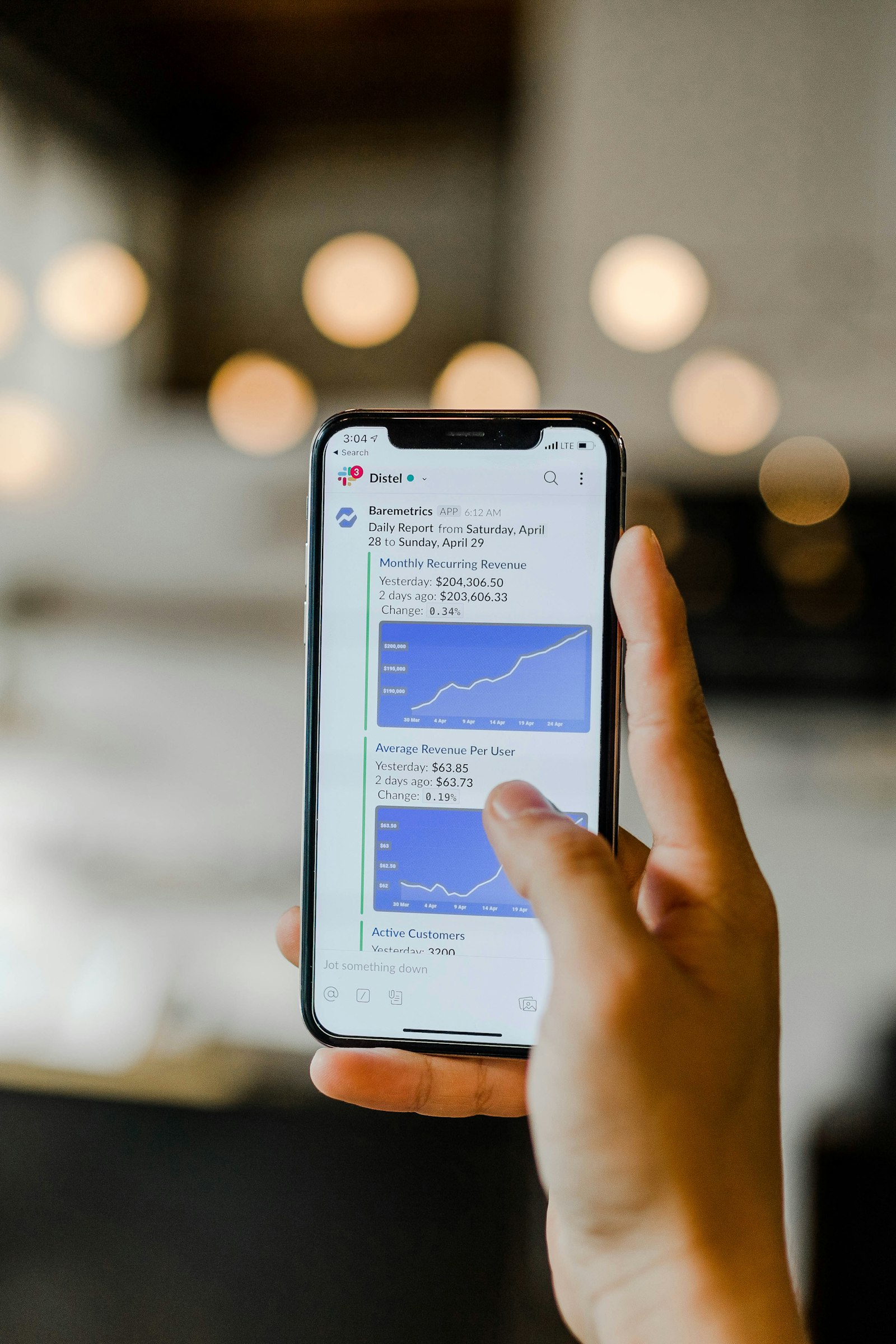
Apple documentation provides strong guidance, but it mainly describes design intent rather than actual runtime behavior. In real-world conditions, iOS must handle concurrent processes, memory pressure, and complex foreground and background transitions.
These factors create runtime behavior, which can only be fully understood by observing the system while it is running.
What is runtime behavior?
Runtime behavior describes how the system actually behaves during execution, including object lifecycles, message dispatch, thread scheduling, memory management, and edge-case handling.
Limits of static analysis
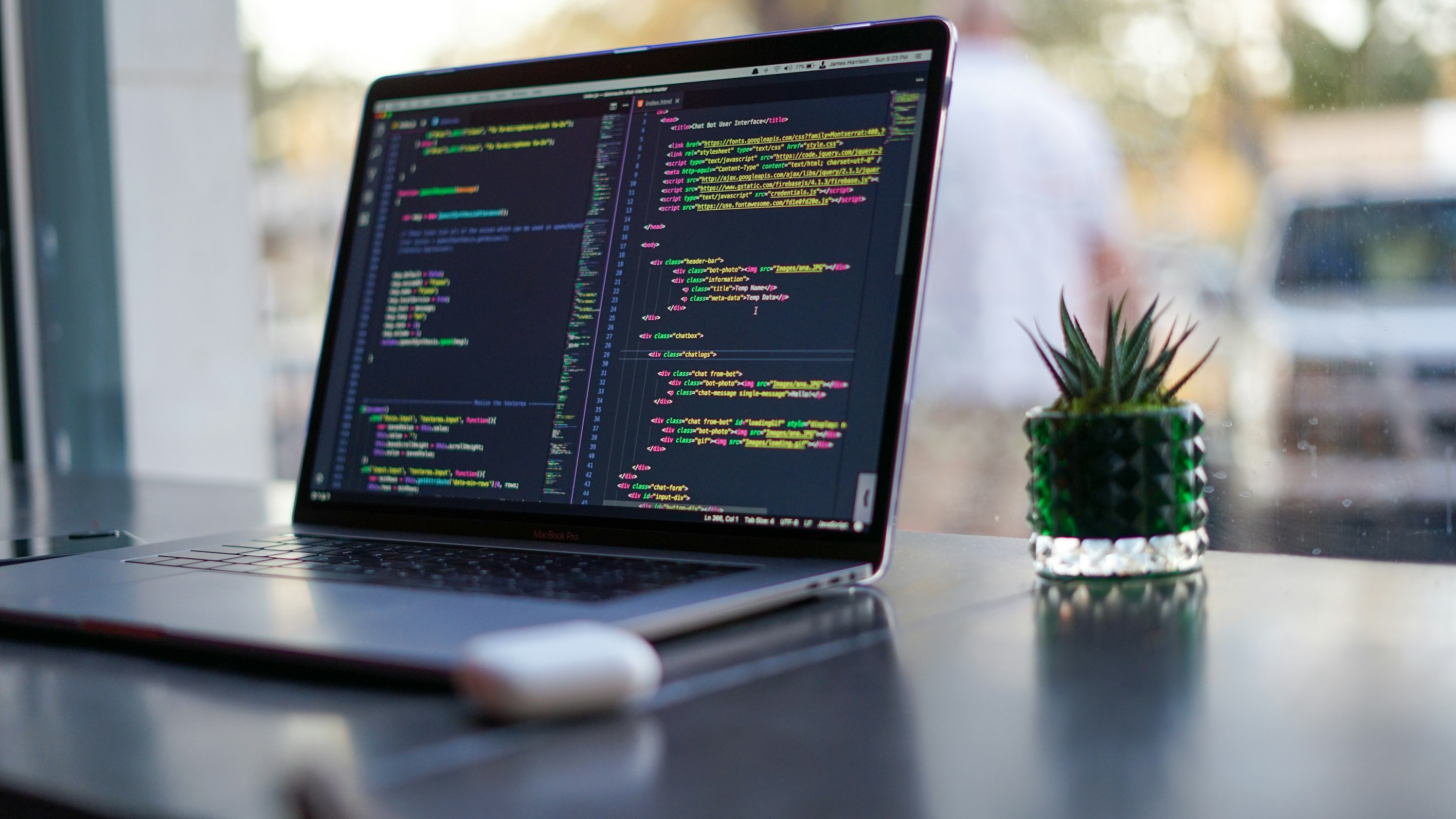
Static analysis helps developers understand structure and contracts, but it cannot reveal real execution order, delayed callbacks, or unexpected object retention.
Dynamic observation in practice
Dynamic observation focuses on watching the system in action, tracking call stacks, message flows, and memory changes over time.
Why runtime observation matters
Understanding runtime behavior helps developers avoid unsafe assumptions, debug production issues more effectively, and design systems aligned with real iOS behavior.
What’s next?
The next article explores Input Delivery & Event Boundaries, examining how touch, gesture, and hardware events flow through iOS.